True crime adaptation

The case file opens. The fiction stays labeled.

How The Bloody Benders approaches true-crime graphic novel storytelling with source notes, ethical framing, and clear fiction labels.

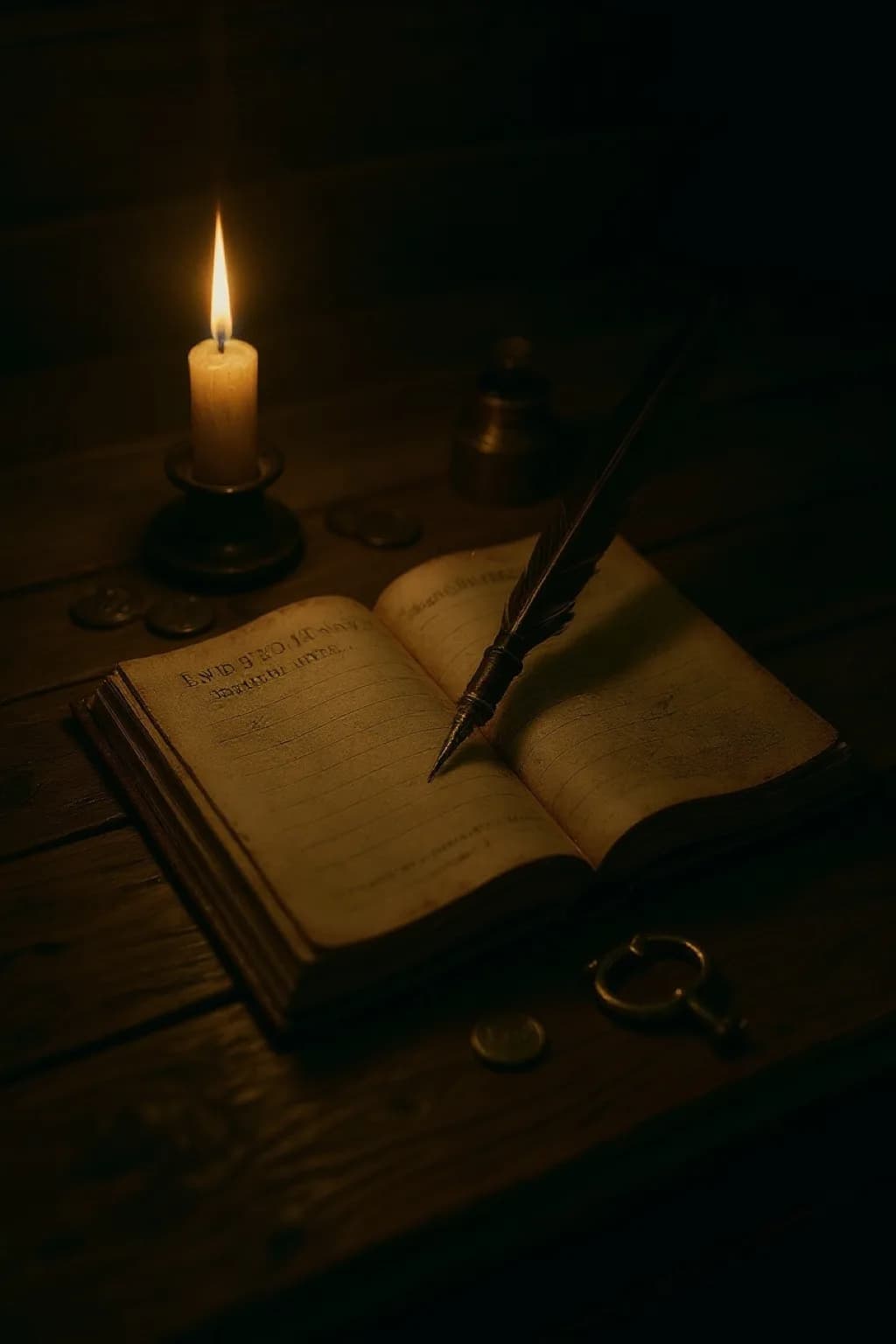
A ledger card from The Bloody Benders redesign deck

Direct answer

A true-crime graphic novel should give readers a clear line between documented record, folklore, and invention. The Bloody Benders uses public historical sources for the Kansas case, then labels its Kate Bender journal and episode scenes as fictional horror western storytelling rather than recovered evidence.

Research layerExternal sources, dates, places, public case details
Fiction layerKate POV journal entries, invented scenes, private motives, occult interpretation
Ethical lineDo not market fiction as recovered historical evidence
Conversion pathSource page to series hub to journal archive

The useful line between record and invention

The documented case can establish place, public discovery, broad victim count ranges, and later uncertainty. It cannot tell us what Kate privately thought. That is where the graphic novel takes over and where the site labels the shift.

Why source notes help readers and search engines

Source notes give readers confidence, help answer engines extract reliable context, and prevent the project from blurring folklore with fact. They also create natural internal links from history pages into the fictional journal.

What the journal adds

The journal entries make the story feel daily instead of summarized. Kate can notice debt, weather, customers, Ma's control, public performance, and the way one bad decision makes the next one easier.

AEO

Questions readers ask

Is true crime fiction allowed to invent scenes?

Yes, but the site should make that clear. This project distinguishes historical references from fictional journal entries and dramatized graphic novel scenes.

Why include a sources page?

The sources page supports trust, helps readers follow the real case, and gives search engines a clear set of authoritative references connected to the story.

Is The Bloody Benders a documentary comic?

No. It is a horror western graphic novel inspired by a documented case, not a documentary reconstruction.

Sources

Research trail

These references support the public historical frame. The Kate journal entries and dramatized scenes remain fiction.