Direct answer
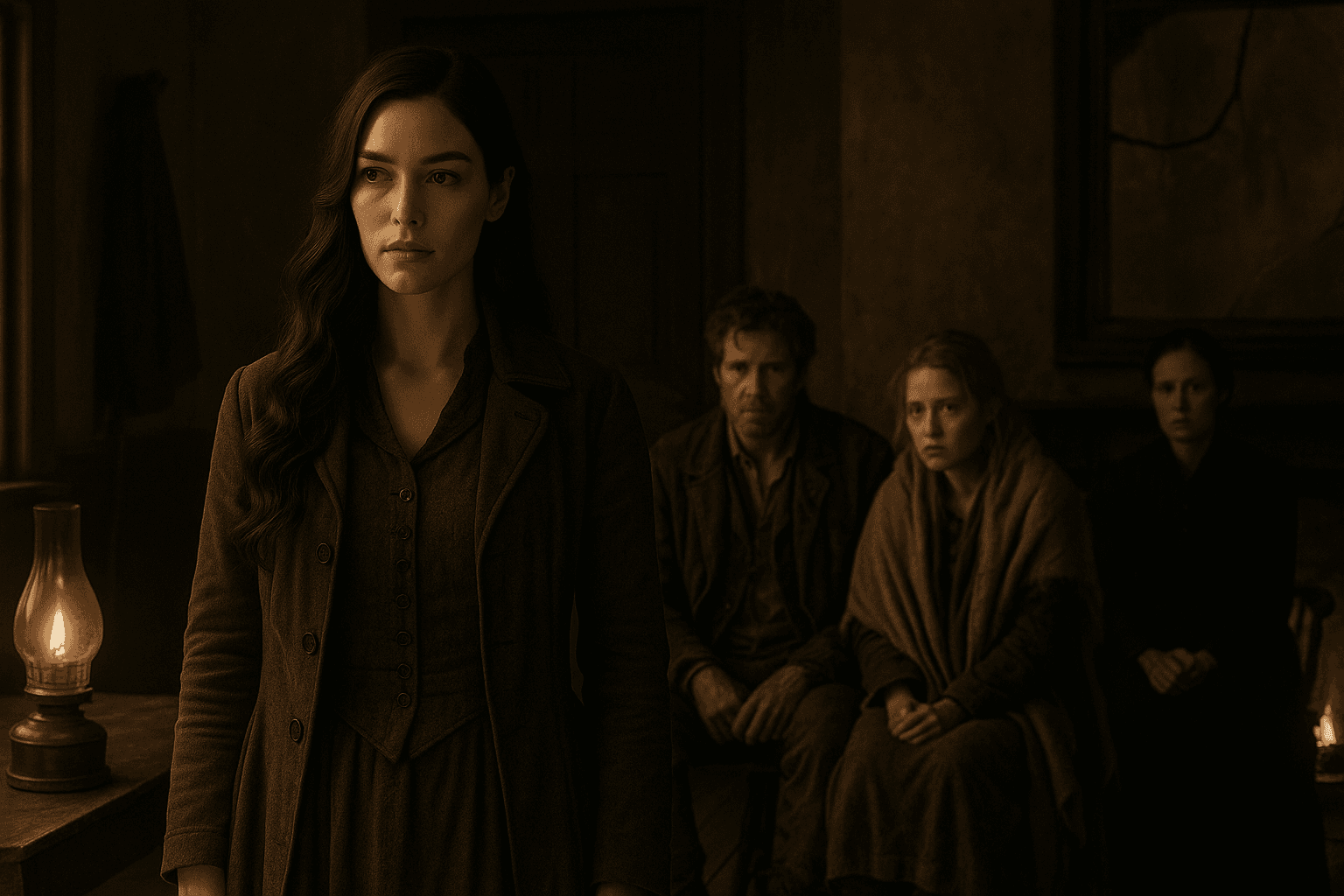
The Bender Inn was the family homestead and stopping place near the Osage Mission Trail where travelers could buy supplies, eat, or rest. In The Bloody Benders, the inn becomes the central horror machine: a dining room, curtain, cellar, ledger, orchard, and family ritual built around false hospitality.
Sources
Research trail
These references support the public historical frame. The Kate journal entries and dramatized scenes remain fiction.
Historical overview using 1873 newspaper coverage, including William York, the abandoned homestead, the recovered bodies, and later rumors about Kate Bender.
Open source KU Alumni - What lies beneath: KU students, faculty search Bloody Benders propertyModern archaeology context for the Labette County property, including the Osage Mission Trail setting and recent field work.
Open source Humanities Kansas - True Crime in Kansas: The Mystery of the BendersPublic humanities framing focused on separating documented history from legend and sensationalism.
Open source Kansas Memory - Bender collection searchKansas Historical Society collection search for Bender-related images, clippings, and archival records.
Open source